

Spinach, often hailed as a superfood, is recognized for its dense nutritional profile that promotes good health and well-being. This dark green vegetable is low in calories but rich in essential vitamins, minerals, and antioxidants, making it a versatile addition to any diet. This guide explores the nutritional benefits of spinach, its status as a superfood, and offers tips on incorporating more of this amazing green into your daily meals.
Nutritional Benefits of Spinach
Vitamins and Minerals
Spinach is loaded with a variety of significant vitamins and minerals that contribute to overall health:
- Vitamin A: Essential for normal vision, immune system performance, and skin health; rich in beta-carotene.
- Vitamin C: Acts as an antioxidant, boosts the immune system, and supports skin health and collagen formation.
- Vitamin K: Crucial for blood clotting and bone health; one cup of spinach exceeds the daily requirement.
- Folate (Vitamin B9): Vital for DNA synthesis and repair, and cell growth and division; particularly important during pregnancy.
- Iron: Important for making red blood cells and transporting oxygen in the blood.
- Calcium: Essential for bone health, muscle function, and nerve signaling.
- Magnesium: Helps regulate muscle and nerve function, blood sugar levels, and blood pressure.
Antioxidants
Spinach provides antioxidants that help combat harmful free radicals and reduce oxidative stress, potentially lowering the risk of chronic diseases:
- Lutein and Zeaxanthin: Protect against eye diseases like cataracts and macular degeneration.
- Quercetin: A flavonoid with anti-inflammatory properties.
- Kaempferol: Linked to reduced risk of cancer and chronic diseases.
Fiber
Spinach is a good source of dietary fiber, which aids digestion and can help regulate blood sugar levels by slowing the absorption of sugar.
Why Spinach Is Considered a Superfood
- Nutrient Density: Spinach provides a wealth of essential nutrients with relatively few calories, making it ideal for enhancing diets without high caloric intake.
- Bone Health: High in vitamin K, spinach helps improve bone mineralization and density, reducing the risk of osteoporosis and fractures.
- Immune Function: Rich in Vitamins A and C, which enhance the body's defense against pathogens.
- Eye Health: Contains antioxidants like lutein and zeaxanthin that protect the eyes from harmful light and oxidative damage.
- Cardiovascular Health: Its antioxidants, fiber, and anti-inflammatory properties support heart health by lowering blood pressure and improving cholesterol levels.
- Anti-Inflammatory Properties: Contains compounds that help reduce inflammation, lowering the risk of chronic diseases like heart disease and diabetes.
- Weight Management: Low in calories and high in fiber, spinach helps satisfy hunger with fewer calories, aiding in weight loss.
Incorporating Spinach Into Your Diet
Raw vs. Cooked Spinach
- Both forms offer benefits, but cooking spinach can increase the availability of nutrients like beta-carotene and lutein, while reducing some water-soluble vitamins like vitamin C.
Read More: 14 Easy And Tasty Ways To Eat Spinach
Spinach Recipes for Foodies
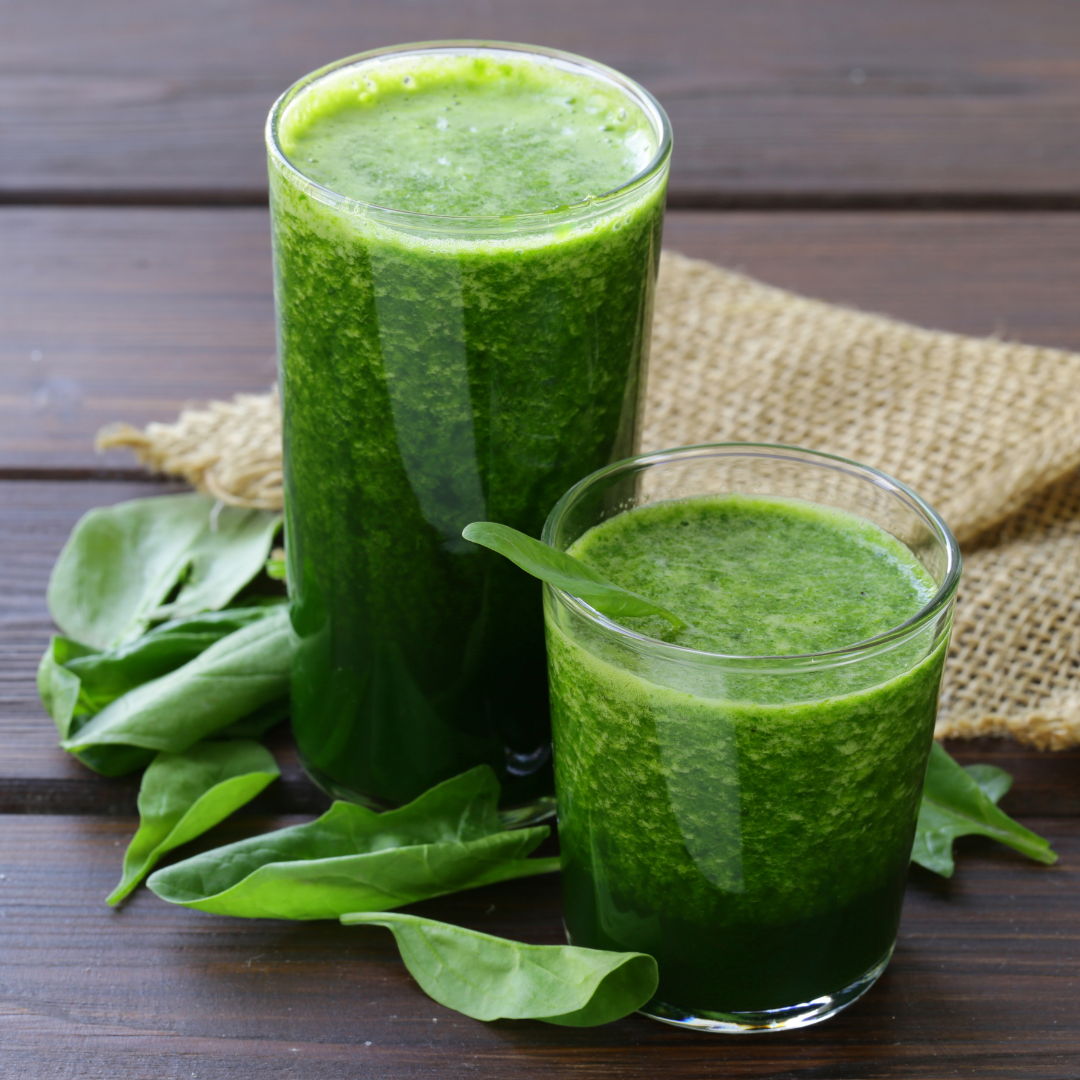
- Smoothies: Blend spinach with bananas, berries, and almond milk for a nutritious drink.
- Salads: Use fresh spinach leaves as a base, adding avocado, nuts, seeds, and light vinaigrettes.
- Stir-fries: Add spinach to vegetable stir-fries.
- Eggs: Incorporate spinach into omelets or scrambled eggs.
- Soups, Stews, and Curries: Add chopped spinach for extra flavor and nutrients.
- Pasta Dishes: Stir spinach into lasagna or spaghetti to enhance nutritional value.
- Sandwiches and Wraps: Add fresh spinach leaves for a crunchy, nutritious addition.

Storage Tips
- Keep fresh spinach in the fridge in a plastic bag with a paper towel to absorb moisture; it can last up to a week. For longer storage, blanch and freeze spinach.
Potential Concerns
- Oxalates: Spinach contains oxalates, which can contribute to kidney stones in susceptible individuals.
- Interaction with Anticoagulants: High vitamin K content can interact with blood-thinning medications like warfarin.
How CircleDNA Can Help
CircleDNA's Premium DNA Test offers insights into your genetic predisposition towards dietary needs and nutrition, helping you make informed choices about your diet, including how to optimize the health benefits of superfoods like spinach.
Conclusion
Spinach is a true superfood that supports a range of health benefits from bone health to cardiovascular support and weight management. By incorporating spinach into your meals in various forms, you can enjoy its numerous health benefits and enhance your overall well-being, tailored to your genetic makeup with the help of CircleDNA.
References
Boeing, H., Bechthold, A., Bub, A., Ellinger, S., Haller, D., Kroke, A., ... & Watzl, B. (2012). Critical review: vegetables and fruit in the prevention of chronic diseases. European Journal of Nutrition, 51(6), 637-663. doi:10.1007/s00394-012-0380-y
Carrero, J. J., & Stenvinkel, P. (2010). The role of inflammation in the anaemia of chronic disease: mechanisms and implications for its management. Nature Reviews Nephrology, 6(7), 386-398. doi:10.1038/nrneph.2010.74
Nishida, C., Uauy, R., Kumanyika, S., & Shetty, P. (2004). The joint WHO/FAO expert consultation on diet, nutrition and the prevention of chronic diseases: process, product and policy implications. Public Health Nutrition, 7(1a), 245-250. doi:10.1079/PHN2003592
Slavin, J. L., & Lloyd, B. (2012). Health benefits of fruits and vegetables. Advances in Nutrition, 3(4), 506-516. doi:10.3945/an.112.002154
Trumbo, P. R., Yates, A. A., Schlicker, S., & Poos, M. I. (2001). Dietary reference intakes: vitamin A, vitamin K, arsenic, boron, chromium, copper, iodine, iron, manganese, molybdenum, nickel, silicon, vanadium, and zinc. Journal of the American Dietetic Association, 101(3), 294-301. doi:10.1016/S0002-8223(01)00078-5
Join the Discussion
Have questions or insights to share?
Our community of health professionals and wellness enthusiasts are here to help. Share your thoughts below!